 VapeWholesaleHub
Cappuccino Ice Age Verification at the Point of Sale — Step by Step
If you are comparing cappuccino ice suppliers right now, you are probably looking at three quotes that look identical and cost very different amounts. That gap usually comes down to cell grade, coil consistency and how honest the factory is about tolerances. Let us unpack it.
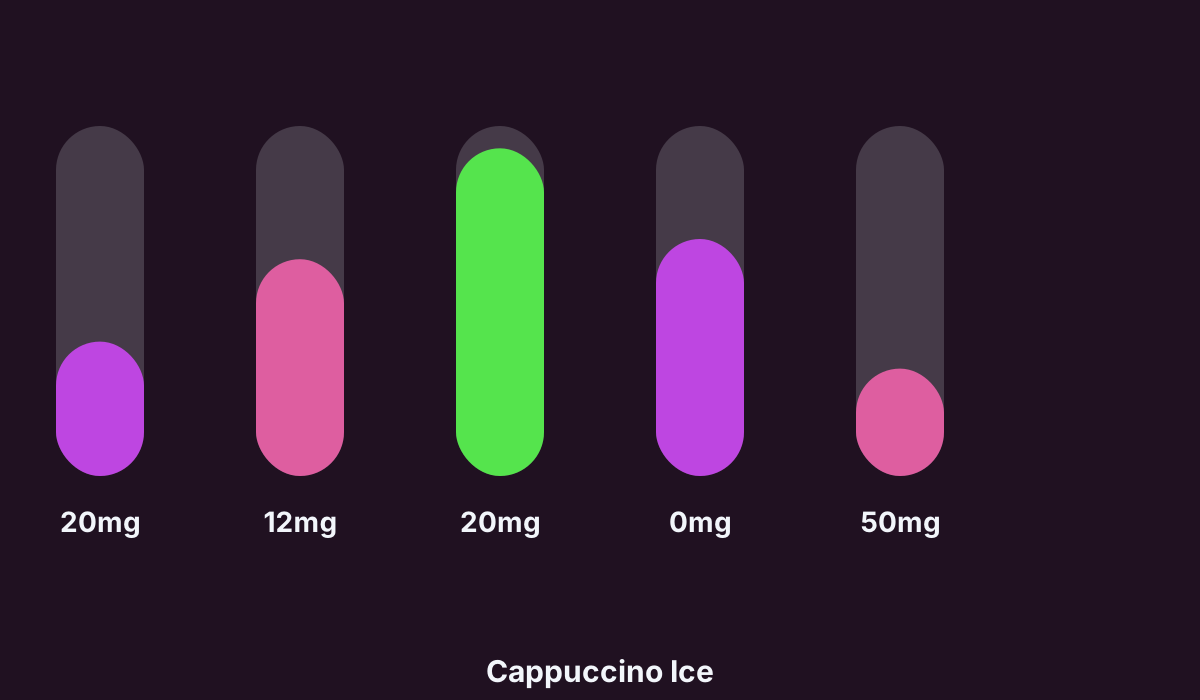
How Cappuccino Ice Fits the Assortment
Think about where cappuccino ice sits in your customer's week. If it is a weekly restock, breadth matters less than availability. If it is an occasional treat, flavour range and display story carry more weight.
Category planning for cappuccino ice works best when you map it against three shopper types: the restocker who already knows what they want, the switcher who wants something stronger, and the explorer who buys on flavour name alone.
How Cappuccino Ice Batches Are Checked
Random checks are fine, but weight the sample towards the start and end of a cappuccino ice production run. Those are where a line is most likely to drift.
- Model landed cost, not ex-works price, when comparing quotes.
- Start with a mixed carton and let your own sell-through decide.
- Rotate stock by batch code rather than by delivery date.
- Keep sealed retained samples from every production batch.
- Agree the tolerance band in writing before approving artwork.
Pricing and Margin
The cheapest cappuccino ice quote is rarely the cheapest outcome. Add freight, defect handling, delay risk and the staff time spent chasing, then compare again. The ranking often changes.
Margin on cappuccino ice is rarely lost at the till. It is lost through dead stock, returns and emergency air freight. A slightly higher landed cost with predictable lead time usually beats the cheapest quote on the spreadsheet.
Indicative reference points for planning purposes: entry tier from USD 2.38 per unit at 500 units, mid tier at USD 1.71, and volume tier at USD 0.57 for full container quantities. These figures move with specification, packaging and freight, so treat them as a shape rather than a quote.
Reading a Cappuccino Ice Spec Sheet
Ask for the cappuccino ice specification in the same units you intend to measure in. A metric quoted in a form you cannot verify on arrival is not a specification, it is a claim.
Specification sheets are where a cappuccino ice deal is won or quietly lost. Two samples can look and taste the same while using different coil wire, different wicking density and different tolerances on the mouthpiece. Those details decide how the unit behaves in week three rather than minute three.
| Product category | Open system |
|---|---|
| Resistance band | 0.8 - 1.0 ohm |
| Capacity tolerance | +/- 2% |
| Puff count method | Declared by capacity |
| Master carton | 100 units |
| Carton weight | 10.7 kg |
| Shelf life | 12 months |
| Storage | 15-25 C, dry, away from direct light |
Getting Cappuccino Ice to Your Warehouse
Split cappuccino ice shipments across two sailings when the order is large enough. It costs slightly more but removes the risk of a single event wiping out a full quarter of stock.

Merchandising and Listing Tips
Online, shoot cappuccino ice at a consistent scale across the range. Customers compare by eye, and inconsistent product photography creates returns that have nothing to do with the product.
A cappuccino ice display that answers strength and flavour without staff involvement outsells a prettier one that does not. Most customers will not ask, so the fixture has to do the work.
Practical Checklist
- Model landed cost, not ex-works price, when comparing quotes.
- Plan the switch from air to sea freight before you need it.
- Write the complaint threshold into the order terms.
- Keep sealed retained samples from every production batch.
- Start with a mixed carton and let your own sell-through decide.
- Agree the tolerance band in writing before approving artwork.
Frequently Asked Questions
What is the usual minimum order for cappuccino ice?
For a standard production run the minimum is normally one master carton per flavour, though mixed cartons can be arranged for a first order. If you are testing the line, ask about a sample pack first and treat the freight as part of your research budget.
Can I visit the production facility?
Yes, and we encourage it for larger programmes. Visits are most useful when you already have a draft specification, because you can then check the specific processes behind the numbers you care about.
Can I mix strengths in one order?
In most cases yes, as long as each strength meets the minimum run length. Mixed strength cartons are popular with retailers building their first display because they show the full ladder without over committing.
Can you match an existing product I already sell?
Often yes, provided we can measure it properly. Send a physical sample and we will report back on what can be matched, what will differ slightly, and why. An honest gap is more useful than a vague promise.
What happens if my market changes its rules?
Regulations move, and packaging or documentation sometimes has to follow. We keep approved artwork files on hand so that a required change is a reprint rather than a redesign, which keeps the cost and delay down.
Next Step
If you take one thing from this page, take the retained sample habit. It costs a few units per batch and it is the difference between a disagreement and a decision.
Related Reading
- Cappuccino Ice Market Entry Checklist for New Territories — Real Numbers Only
- Cappuccino Ice Trade Credit and Account Terms — Wholesale Clubs
- Sustainability and Take Back Programmes for Cappuccino Ice — UK and Ireland
- Cappuccino Ice Specifications Every Buyer Should Check — Duty and Tax Worked Out
- Cappuccino Ice Reorder Discipline for Busy Distributors — Busy Buyers
- Setting Minimum Order Quantities for Cappuccino Ice — Established Chains