 VapeWholesaleHub
Cappuccino Ice Carton Engineering and Freight Density — Specialist Vape Shops
Buyers often ask us to explain why two cappuccino ice samples that look identical behave differently after a month. The answer is almost always tolerance control, and it is more interesting than it sounds.
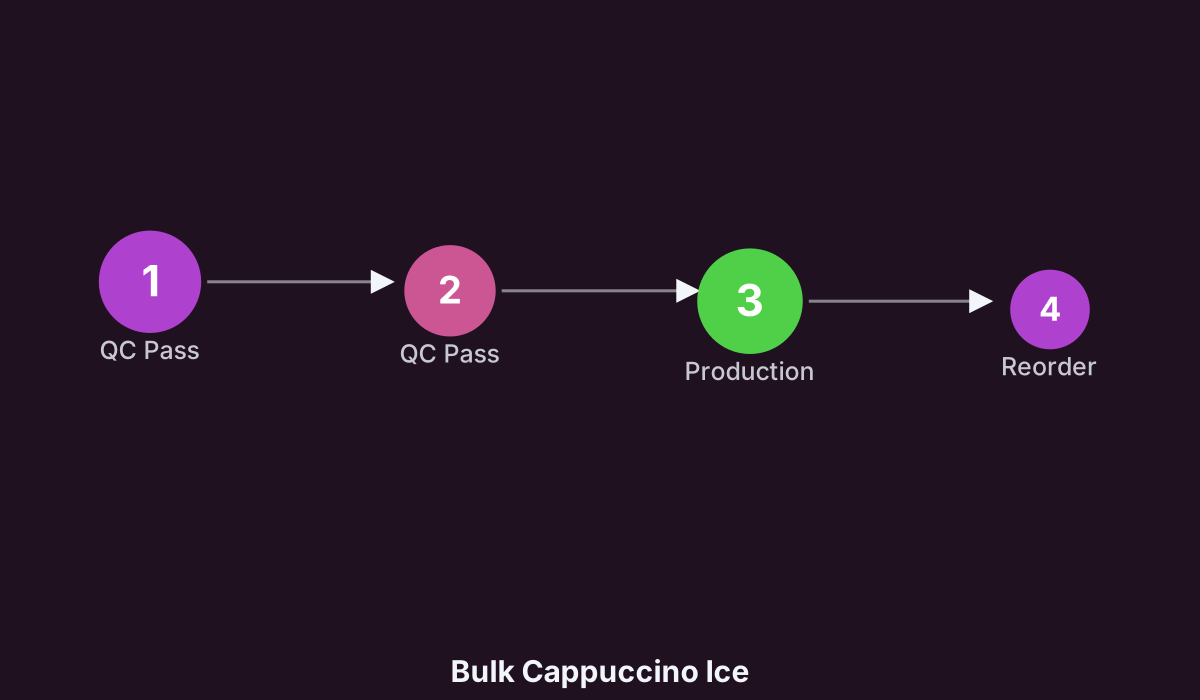
Getting Cappuccino Ice to Your Warehouse
Air freight makes sense for a first cappuccino ice order when you need to test demand quickly, but almost every steady programme moves to sea freight once volumes stabilise. Planning that switch early avoids a painful margin squeeze later.
Air freight makes sense for a first cappuccino ice order when you need to test demand quickly, but almost every steady programme moves to sea freight once volumes stabilise. Planning that switch early avoids a painful margin squeeze later.
Turning Cappuccino Ice Into Repeats
On shelf, cappuccino ice sells on clarity. A plain shelf talker that states strength and flavour in two words outperforms a beautifully designed but vague display, because most purchase decisions here take under ten seconds.
On shelf, cappuccino ice sells on clarity. A plain shelf talker that states strength and flavour in two words outperforms a beautifully designed but vague display, because most purchase decisions here take under ten seconds.
Trends Worth Watching
One visible change in cappuccino ice is the move towards clearer labelling and traceability. Retailers who adopted batch coding early are finding it much easier to work with larger distributors now.
How Cappuccino Ice Batches Are Checked
Most defects in cappuccino ice are not dramatic. They are loose tolerances, a slightly thin seal, a mouthpiece that clicks. Left alone they turn into leak complaints, which are the single most common reason a retailer drops a line.
The defect rate that matters is the one your customer experiences, not the one the factory reports. Bridge that gap by inspecting the way a customer would open the box, not the way a line worker packs it.
- Plan the switch from air to sea freight before you need it.
- Start with a mixed carton and let your own sell-through decide.
- Confirm the current customs classification with your own broker.
- Rotate stock by batch code rather than by delivery date.
- Keep sealed retained samples from every production batch.
What to Fix Before Approving Cappuccino Ice
Good cappuccino ice specs describe the failure boundaries, not just the target. Stating what is unacceptable gives the factory a clear production window instead of a single point they will miss half the time.
Ask any factory for the same cappuccino ice sample twice, three months apart. If the second sample drifts, the production line is running without statistical control and your reviews will drift with it. Consistency over time is a more useful signal than a single good sample.
| Product category | Accessory |
|---|---|
| Resistance band | 0.8 - 1.0 ohm |
| Capacity tolerance | +/- 3% |
| Puff count method | Machine cycle 2s on / 18s off |
| Master carton | 300 units |
| Carton weight | 3.6 kg |
| Shelf life | 24 months |
| Storage | 15-25 C, dry, away from direct light |
What Cappuccino Ice Really Costs Landed
Build cappuccino ice price tiers around order sizes your customers actually place. Tiers that only make sense on a spreadsheet get ignored, and you end up discounting ad hoc instead.
Tiered pricing works best when the tiers match real customer behaviour. Most cappuccino ice buyers will take the second tier if the step is modest and the third tier only if they can see a genuine reason to hold more stock.
Indicative reference points for planning purposes: entry tier from USD 1.87 per unit at 500 units, mid tier at USD 0.86, and volume tier at USD 0.97 for full container quantities. These figures move with specification, packaging and freight, so treat them as a shape rather than a quote.
Practical Checklist
- Start with a mixed carton and let your own sell-through decide.
- Model landed cost, not ex-works price, when comparing quotes.
- Check carton dimensions against your freight quote before confirming.
- Rotate stock by batch code rather than by delivery date.
- Confirm the current customs classification with your own broker.
- Keep sealed retained samples from every production batch.
Frequently Asked Questions
Can I visit the production facility?
Yes, and we encourage it for larger programmes. Visits are most useful when you already have a draft specification, because you can then check the specific processes behind the numbers you care about.
How are price changes handled on repeat orders?
{K} pricing is reviewed against input costs and volume rather than adjusted casually. Any change is confirmed in writing before the next order is scheduled, with the reason stated so you can judge it yourself.
Do you provide compliance documents?
Every shipment leaves with the documentation set relevant to your market, including batch records and test reports where required. Your local rules still determine what you must file, so confirm those with your broker before import.
Is there a warranty on cappuccino ice?
Manufacturing defects are covered against the retained sample standard. Normal wear, misuse and damage after opening are not. We publish the threshold in the order terms so both sides know exactly what the claim process looks like.
Next Step
If you are comparing options right now, send us the specification you have been quoted elsewhere. A side by side reading usually shows where the price difference actually comes from, and that is the most useful first conversation to have.
Related Reading
- Cappuccino Ice Tamper Evidence and Seal Integrity — the Buying Desk
- Cappuccino Ice Benchmarking Two Factories Side by Side — Convenience Retail
- Cappuccino Ice Quality Control: Tests We Run Before Dispatch — Latin America
- Cappuccino Ice Vendor Managed Inventory Possibilities — Low Minimum Quantities
- Cappuccino Ice Transport Vibration and Pack Protection — Repeat Orders
- Cappuccino Ice Packaging Formats That Reduce Damage Claims — Highly Regulated Markets