 VapeWholesaleHub
Cappuccino Ice Cell and Chip Supply Constraints — Entry-Level Price Points
There is no clever trick to buying cappuccino ice well. There is a short list of things worth checking and a long list of things that distract from them. This page is an attempt at the short list.
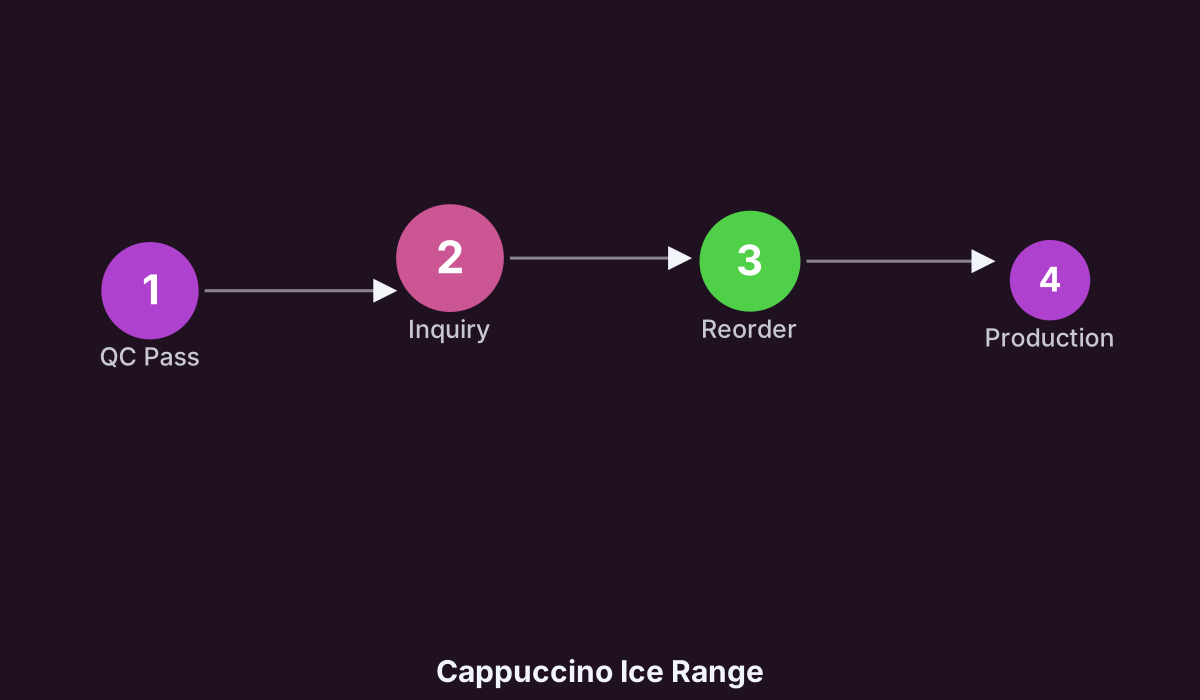
Where Cappuccino Ice Sits in the Range
Think about where cappuccino ice sits in your customer's week. If it is a weekly restock, breadth matters less than availability. If it is an occasional treat, flavour range and display story carry more weight.
Modelling a Healthy Margin
Discounting cappuccino ice to win shelf space tends to reset customer expectations permanently. Volume support in kind, such as display material, usually costs less in the long run.
Indicative reference points for planning purposes: entry tier from USD 1.57 per unit at 500 units, mid tier at USD 1.72, and volume tier at USD 0.93 for full container quantities. These figures move with specification, packaging and freight, so treat them as a shape rather than a quote.
How Cappuccino Ice Batches Are Checked
Most defects in cappuccino ice are not dramatic. They are loose tolerances, a slightly thin seal, a mouthpiece that clicks. Left alone they turn into leak complaints, which are the single most common reason a retailer drops a line.
Inspection is only useful if the result is recorded somewhere you can find it later. A cappuccino ice batch log with weights, codes and measurements turns a future complaint into a five minute lookup.
- Model landed cost, not ex-works price, when comparing quotes.
- Start with a mixed carton and let your own sell-through decide.
- Check carton dimensions against your freight quote before confirming.
- Ask how the factory measures puff count, then compare like with like.
- Write the complaint threshold into the order terms.
Merchandising and Listing Tips
On shelf, cappuccino ice sells on clarity. A plain shelf talker that states strength and flavour in two words outperforms a beautifully designed but vague display, because most purchase decisions here take under ten seconds.
Bundle cappuccino ice with a complementary item rather than discounting it outright. The perceived value holds up better and the second item often becomes a repeat purchase on its own.
Freight, Customs and Timing
Plan the cappuccino ice customs paperwork at the same time as the order, not when the goods are on the water. A missing document costs more in demurrage than the entire freight saving from a cheap forwarder.
Model cappuccino ice freight both ways before choosing a method: cost per unit and cost per week of delay. The second figure is the one that decides whether a cheap option was actually cheap.
What to Fix Before Approving Cappuccino Ice
Ask for the cappuccino ice specification in the same units you intend to measure in. A metric quoted in a form you cannot verify on arrival is not a specification, it is a claim.
Ask any factory for the same cappuccino ice sample twice, three months apart. If the second sample drifts, the production line is running without statistical control and your reviews will drift with it. Consistency over time is a more useful signal than a single good sample.
| Product category | Closed pod |
|---|---|
| Resistance band | 1.0 - 1.2 ohm |
| Capacity tolerance | +/- 5% |
| Puff count method | Machine cycle 3s on / 27s off |
| Master carton | 400 units |
| Carton weight | 12.3 kg |
| Shelf life | 12 months |
| Storage | 15-25 C, dry, away from direct light |
Practical Checklist
- Check carton dimensions against your freight quote before confirming.
- Rotate stock by batch code rather than by delivery date.
- Agree the tolerance band in writing before approving artwork.
- Model landed cost, not ex-works price, when comparing quotes.
- Write the complaint threshold into the order terms.
- Plan the switch from air to sea freight before you need it.
Frequently Asked Questions
How should cappuccino ice be stored?
Cool, dry and out of direct sunlight. Heat and light are the two things that shorten shelf life fastest. Rotate stock by batch code rather than by arrival date, and keep cartons off concrete floors in humid warehouses.
What if a batch does not match the sample?
Keep the retained samples from the approval stage. If a delivered batch measurably differs, we compare against the retained set and resolve it against the production record. This is why we insist on sealed retained units from every run.
Do you provide compliance documents?
Every shipment leaves with the documentation set relevant to your market, including batch records and test reports where required. Your local rules still determine what you must file, so confirm those with your broker before import.
What information do you need to quote?
Target specification, approximate quantity, destination and any packaging requirement. With those four we can usually come back with a costed option the same working day rather than a request for more information.
Next Step
Nobody wins when a first order is too large to learn from. Start with a mixed carton, check how it moves in your own market, then scale the lines that earned the shelf space.
Related Reading
- Cappuccino Ice Storage Life Extension Through Better Handling — New Distributors
- Certification Routes for Cappuccino Ice in Different Markets — Duty and Tax Worked Out
- Private Label Cappuccino Ice: Steps From Idea to Carton — Repeat Orders
- Cappuccino Ice Buyer FAQ for First Time Importers — Freight Included
- Cappuccino Ice Packaging Formats That Reduce Damage Claims — EU Markets
- Cappuccino Ice Market Entry Checklist for New Territories — Mixed Cabinets