 VapeWholesaleHub
Cappuccino Ice Lead Time Buffers That Actually Work — Warehouse Teams
Treat cappuccino ice as a repeat purchase category rather than a one off buy. That single change in framing alters almost every decision downstream, from carton size to how many strengths you list.
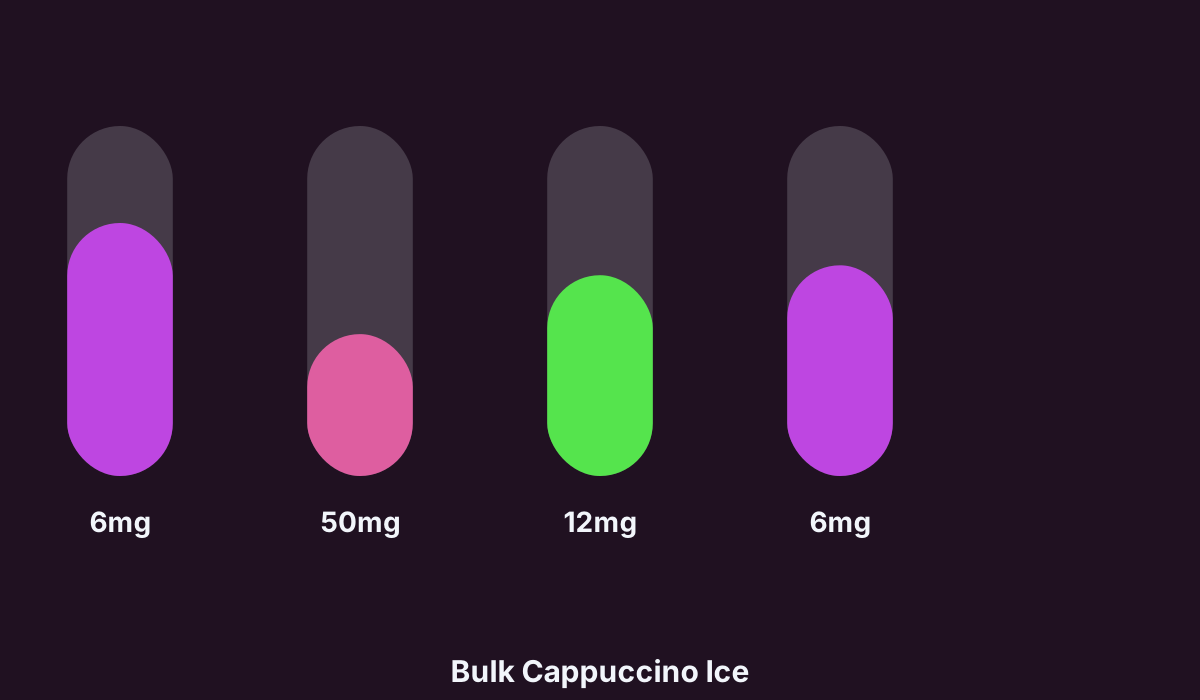
How Cappuccino Ice Fits the Assortment
Category data for cappuccino ice is noisier than it looks. Promotions, weather and local competition all move weekly numbers, so read three months at a time rather than reacting to a single week.
A tight cappuccino ice range with deep availability usually outsells a wide range with thin stock. Customers who find their line in stock come back; customers who are told to wait do not.
Turning Cappuccino Ice Into Repeats
Rotate cappuccino ice facing rather than price for the first month. Visibility changes sell-through more reliably than a small discount, and it does not train customers to wait for offers.
A cappuccino ice display that answers strength and flavour without staff involvement outsells a prettier one that does not. Most customers will not ask, so the fixture has to do the work.
What to Fix Before Approving Cappuccino Ice
Pay attention to how a cappuccino ice supplier responds when you ask for a tolerance they do not want to commit to. The hesitation is usually more informative than the eventual answer.
Ask any factory for the same cappuccino ice sample twice, three months apart. If the second sample drifts, the production line is running without statistical control and your reviews will drift with it. Consistency over time is a more useful signal than a single good sample.
| Product category | Disposable |
|---|---|
| Resistance band | 1.0 - 1.2 ohm |
| Capacity tolerance | +/- 2% |
| Puff count method | Declared by capacity |
| Master carton | 200 units |
| Carton weight | 10.4 kg |
| Shelf life | 12 months |
| Storage | 15-25 C, dry, away from direct light |
Logistics That Protect Margin
Carton dimensions for cappuccino ice are a design decision, not a packing afterthought. A few centimetres on the master carton can change how many units fit a pallet, and that repeats on every order.

How Cappuccino Ice Batches Are Checked
The defect rate that matters is the one your customer experiences, not the one the factory reports. Bridge that gap by inspecting the way a customer would open the box, not the way a line worker packs it.
Keep a photo record of every cappuccino ice approval sample. Written descriptions age badly; a dated photograph next to a delivered unit settles most arguments in seconds.
- Check carton dimensions against your freight quote before confirming.
- Rotate stock by batch code rather than by delivery date.
- Write the complaint threshold into the order terms.
- Confirm the current customs classification with your own broker.
- Ask how the factory measures puff count, then compare like with like.
Modelling a Healthy Margin
Watch the cappuccino ice price you pay over a year rather than per order. Factories respond well to visible volume, and a quarterly review is usually worth more than a hard negotiation each time.
Margin on cappuccino ice is rarely lost at the till. It is lost through dead stock, returns and emergency air freight. A slightly higher landed cost with predictable lead time usually beats the cheapest quote on the spreadsheet.
Indicative reference points for planning purposes: entry tier from USD 2.23 per unit at 1000 units, mid tier at USD 1.85, and volume tier at USD 0.99 for full container quantities. These figures move with specification, packaging and freight, so treat them as a shape rather than a quote.
Practical Checklist
- Write the complaint threshold into the order terms.
- Check carton dimensions against your freight quote before confirming.
- Keep sealed retained samples from every production batch.
- Agree the tolerance band in writing before approving artwork.
- Plan the switch from air to sea freight before you need it.
- Start with a mixed carton and let your own sell-through decide.
Frequently Asked Questions
Is there a warranty on cappuccino ice?
Manufacturing defects are covered against the retained sample standard. Normal wear, misuse and damage after opening are not. We publish the threshold in the order terms so both sides know exactly what the claim process looks like.
Do you hold stock for regular customers?
For established programmes we can reserve production slots and, in some cases, hold finished cappuccino ice stock against a forecast. It removes most of the lead time risk from a reorder and is worth discussing once volumes are stable.
Is there support for in-store material?
Yes. Shelf talkers, counter cards and simple planogram suggestions are available for cappuccino ice ranges that reach a sensible volume. Most retailers find the plain strength and flavour cards do the most work.
How do you handle a short shipment?
Cartons are counted and weighed before dispatch and the figures are shared with you. If something is short on arrival, the packing record and the carrier documentation are both available, which keeps the claim straightforward.
Next Step
Nobody wins when a first order is too large to learn from. Start with a mixed carton, check how it moves in your own market, then scale the lines that earned the shelf space.
Related Reading
- Cappuccino Ice Batch Recall Traceability in Practice — Cash-and-Carry Formats
- Cappuccino Ice Carton Engineering and Freight Density — Wholesale Clubs
- Cappuccino Ice Documentation Pack for Customs Brokers — Repeat Orders
- Cappuccino Ice Negotiation Timing Through the Production Year — a Printable Checklist
- Cappuccino Ice Competitor Range Teardown — Cross-Border Trade
- Cappuccino Ice Escalation Path When Something Goes Wrong — Latin America