 VapeWholesaleHub
Cappuccino Ice Slow Moving Stock and Remedial Actions — Premium Shelf Programmes
Cappuccino Ice has moved from a niche listing to a category that most vape retailers simply have to carry. That popularity brought a flood of near identical offers. This guide explains how to separate a repeatable supply chain from a lucky sample.
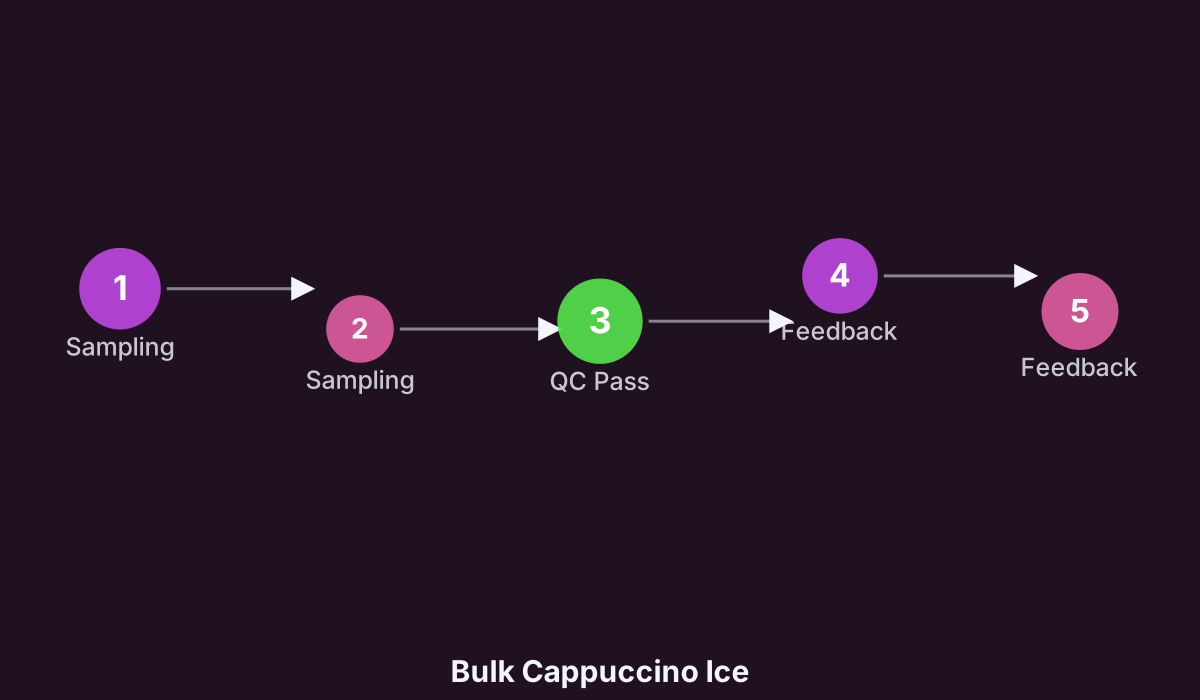
Inspection Before Dispatch
Most defects in cappuccino ice are not dramatic. They are loose tolerances, a slightly thin seal, a mouthpiece that clicks. Left alone they turn into leak complaints, which are the single most common reason a retailer drops a line.
Inspection is only useful if the result is recorded somewhere you can find it later. A cappuccino ice batch log with weights, codes and measurements turns a future complaint into a five minute lookup.
- Agree the tolerance band in writing before approving artwork.
- Keep sealed retained samples from every production batch.
- Confirm the current customs classification with your own broker.
- Write the complaint threshold into the order terms.
- Rotate stock by batch code rather than by delivery date.
Selling Cappuccino Ice at Store Level
Staff knowledge moves cappuccino ice more than any fixture. A two minute explanation of the difference between this line and the one next to it converts a browsing shopper into a repeat buyer far more reliably than a discount.
Keep the cappuccino ice range tidy. A half empty shelf reads as a dying line, and customers interpret it that way faster than any signage can correct.
Logistics That Protect Margin
Split cappuccino ice shipments across two sailings when the order is large enough. It costs slightly more but removes the risk of a single event wiping out a full quarter of stock.
Freight is the hidden half of cappuccino ice unit economics. A denser master carton can save more per unit than a hard negotiation on factory price, because the saving repeats on every reorder rather than once.
What Cappuccino Ice Really Costs Landed
Tiered pricing works best when the tiers match real customer behaviour. Most cappuccino ice buyers will take the second tier if the step is modest and the third tier only if they can see a genuine reason to hold more stock.
The cheapest cappuccino ice quote is rarely the cheapest outcome. Add freight, defect handling, delay risk and the staff time spent chasing, then compare again. The ranking often changes.
Indicative reference points for planning purposes: entry tier from USD 1.53 per unit at 1000 units, mid tier at USD 1.46, and volume tier at USD 0.55 for full container quantities. These figures move with specification, packaging and freight, so treat them as a shape rather than a quote.
The Specification That Matters
Good cappuccino ice specs describe the failure boundaries, not just the target. Stating what is unacceptable gives the factory a clear production window instead of a single point they will miss half the time.
Ask for the cappuccino ice specification in the same units you intend to measure in. A metric quoted in a form you cannot verify on arrival is not a specification, it is a claim.
| Product category | Pod system |
|---|---|
| Resistance band | 1.0 - 1.2 ohm |
| Capacity tolerance | +/- 5% |
| Puff count method | Declared by capacity |
| Master carton | 300 units |
| Carton weight | 11.7 kg |
| Shelf life | 12 months |
| Storage | 15-25 C, dry, away from direct light |
Practical Checklist
- Check carton dimensions against your freight quote before confirming.
- Model landed cost, not ex-works price, when comparing quotes.
- Ask how the factory measures puff count, then compare like with like.
- Write the complaint threshold into the order terms.
- Keep sealed retained samples from every production batch.
- Confirm the current customs classification with your own broker.
Frequently Asked Questions
Do you provide compliance documents?
Every shipment leaves with the documentation set relevant to your market, including batch records and test reports where required. Your local rules still determine what you must file, so confirm those with your broker before import.
What happens if my market changes its rules?
Regulations move, and packaging or documentation sometimes has to follow. We keep approved artwork files on hand so that a required change is a reprint rather than a redesign, which keeps the cost and delay down.
What if a batch does not match the sample?
Keep the retained samples from the approval stage. If a delivered batch measurably differs, we compare against the retained set and resolve it against the production record. This is why we insist on sealed retained units from every run.
How should cappuccino ice be stored?
Cool, dry and out of direct sunlight. Heat and light are the two things that shorten shelf life fastest. Rotate stock by batch code rather than by arrival date, and keep cartons off concrete floors in humid warehouses.
Is there a warranty on cappuccino ice?
Manufacturing defects are covered against the retained sample standard. Normal wear, misuse and damage after opening are not. We publish the threshold in the order terms so both sides know exactly what the claim process looks like.
Next Step
Send us your current cappuccino ice specification even if you are not planning to move suppliers. A second read of a document you use every month is usually worth the ten minutes.
Related Reading
- Cappuccino Ice Customer Education That Reduces Complaints — Warehouse Teams
- Cappuccino Ice OEM and ODM: Which Model Fits Your Business — Landed Cost Worked Through
- Cappuccino Ice Packaging Formats That Reduce Damage Claims — Updated for 2026
- How to Choose Cappuccino Ice Without Overpaying — a Factory Floor View
- Cappuccino Ice Growing From Pallet to Container — 2026 Edition
- Cappuccino Ice When to Add a Second Factory — Plain Language