 VapeWholesaleHub
Cappuccino Ice Trade Show Buying Tactics — Duty and Tax Worked Out
There is a version of cappuccino ice that sells through in six weeks and a version that sits in a back room for a year. The difference is rarely obvious from a product photo. Below is the checklist our team uses when a distributor asks us to quote cappuccino ice for the first time.
Pricing and Margin
The cheapest cappuccino ice quote is rarely the cheapest outcome. Add freight, defect handling, delay risk and the staff time spent chasing, then compare again. The ranking often changes.
Tiered pricing works best when the tiers match real customer behaviour. Most cappuccino ice buyers will take the second tier if the step is modest and the third tier only if they can see a genuine reason to hold more stock.
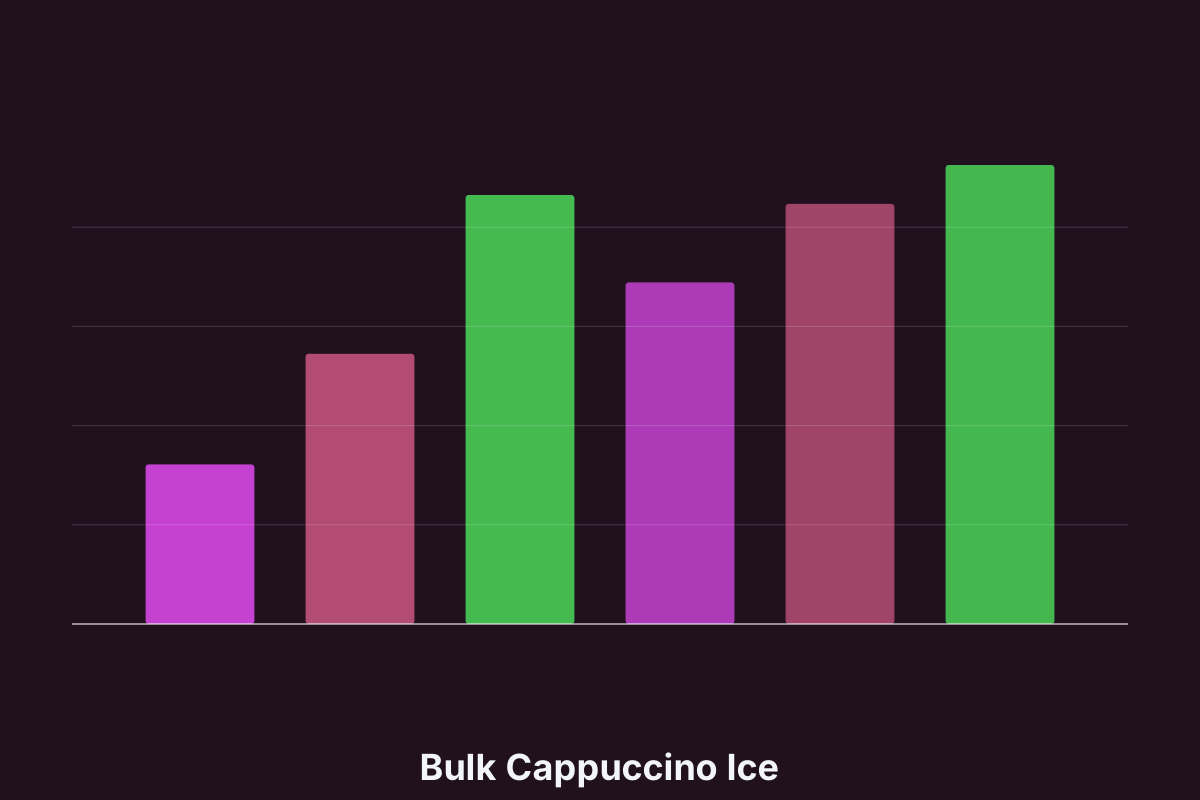
Indicative reference points for planning purposes: entry tier from USD 2.05 per unit at 1000 units, mid tier at USD 1.72, and volume tier at USD 1.16 for full container quantities. These figures move with specification, packaging and freight, so treat them as a shape rather than a quote.
Logistics That Protect Margin
Freight is the hidden half of cappuccino ice unit economics. A denser master carton can save more per unit than a hard negotiation on factory price, because the saving repeats on every reorder rather than once.
How Cappuccino Ice Batches Are Checked
Random checks are fine, but weight the sample towards the start and end of a cappuccino ice production run. Those are where a line is most likely to drift.
- Write the complaint threshold into the order terms.
- Agree the tolerance band in writing before approving artwork.
- Rotate stock by batch code rather than by delivery date.
- Ask how the factory measures puff count, then compare like with like.
- Check carton dimensions against your freight quote before confirming.
Where Cappuccino Ice Sits in the Range
A tight cappuccino ice range with deep availability usually outsells a wide range with thin stock. Customers who find their line in stock come back; customers who are told to wait do not.
Category planning for cappuccino ice works best when you map it against three shopper types: the restocker who already knows what they want, the switcher who wants something stronger, and the explorer who buys on flavour name alone.
Reading a Cappuccino Ice Spec Sheet
Pay attention to how a cappuccino ice supplier responds when you ask for a tolerance they do not want to commit to. The hesitation is usually more informative than the eventual answer.
Where possible, tie part of the cappuccino ice payment to inspection against the written spec. It focuses attention on the numbers rather than on the relationship.
| Product category | Disposable |
|---|---|
| Resistance band | 1.2 - 1.4 ohm |
| Capacity tolerance | +/- 5% |
| Puff count method | Machine cycle 3s on / 27s off |
| Master carton | 300 units |
| Carton weight | 4.6 kg |
| Shelf life | 24 months |
| Storage | 15-25 C, dry, away from direct light |
Where Demand Is Heading
Expect cappuccino ice packaging requirements to keep tightening. Designs that leave room for additional labelling age better than tight layouts that need a full reprint to comply.
Flavour cycles in cappuccino ice are shortening, which argues for smaller test orders and faster feedback loops rather than large speculative buys on a predicted winner.
Practical Checklist
- Plan the switch from air to sea freight before you need it.
- Rotate stock by batch code rather than by delivery date.
- Start with a mixed carton and let your own sell-through decide.
- Confirm the current customs classification with your own broker.
- Agree the tolerance band in writing before approving artwork.
- Ask how the factory measures puff count, then compare like with like.
Frequently Asked Questions
What does a sample pack usually include?
A typical cappuccino ice sample pack covers the strengths or variants you are most likely to list, packed so you can evaluate them side by side. Tell us which lines you are considering and we will match the pack to that rather than sending a generic selection.
Do you provide compliance documents?
Every shipment leaves with the documentation set relevant to your market, including batch records and test reports where required. Your local rules still determine what you must file, so confirm those with your broker before import.
How long does a cappuccino ice order take to arrive?
Production typically takes ten to eighteen working days after artwork approval, and transit depends on the method you choose. Air express is fastest, sea freight is cheapest at volume. We confirm both at quotation so there is no surprise later.
How are price changes handled on repeat orders?
{K} pricing is reviewed against input costs and volume rather than adjusted casually. Any change is confirmed in writing before the next order is scheduled, with the reason stated so you can judge it yourself.
Next Step
The best cappuccino ice programmes we see are run by buyers who write things down. Specifications, batch records, complaint thresholds - the paperwork is the advantage.
Related Reading
- Cappuccino Ice Insurance and Cargo Cover Explained — Updated for 2026
- Cappuccino Ice Mouthpiece Geometry and Comfort — Wholesale Clubs
- Cappuccino Ice Bundle Pricing That Moves Older Stock — Regional Distributors
- Cappuccino Ice Market Entry Checklist for New Territories — Replenishment Cycles
- Cappuccino Ice Shelf Rotation for Multi Site Retailers — Three Price Tiers
- Cappuccino Ice Communication Cadence With Overseas Suppliers — North America