 VapeWholesaleHub
Seasonal Planning for Cappuccino Ice Inventory — Cash-and-Carry Formats
Everything below applies whether you are ordering one mixed carton or a full container. The numbers scale, but the logic does not change, which is the point of writing it down once.
Turning Cappuccino Ice Into Repeats
On shelf, cappuccino ice sells on clarity. A plain shelf talker that states strength and flavour in two words outperforms a beautifully designed but vague display, because most purchase decisions here take under ten seconds.
How Cappuccino Ice Batches Are Checked
AQL sampling gets a lot of attention, but for cappuccino ice the more useful habit is simply measuring the same three things on every single batch. Trend lines catch problems that pass/fail checks miss.
- Model landed cost, not ex-works price, when comparing quotes.
- Agree the tolerance band in writing before approving artwork.
- Rotate stock by batch code rather than by delivery date.
- Confirm the current customs classification with your own broker.
- Check carton dimensions against your freight quote before confirming.
Modelling a Healthy Margin
When cappuccino ice input costs move, ask which component moved. A generic price increase hides whether you are paying for cells, packaging or simply a busy production calendar.
Margin on cappuccino ice is rarely lost at the till. It is lost through dead stock, returns and emergency air freight. A slightly higher landed cost with predictable lead time usually beats the cheapest quote on the spreadsheet.
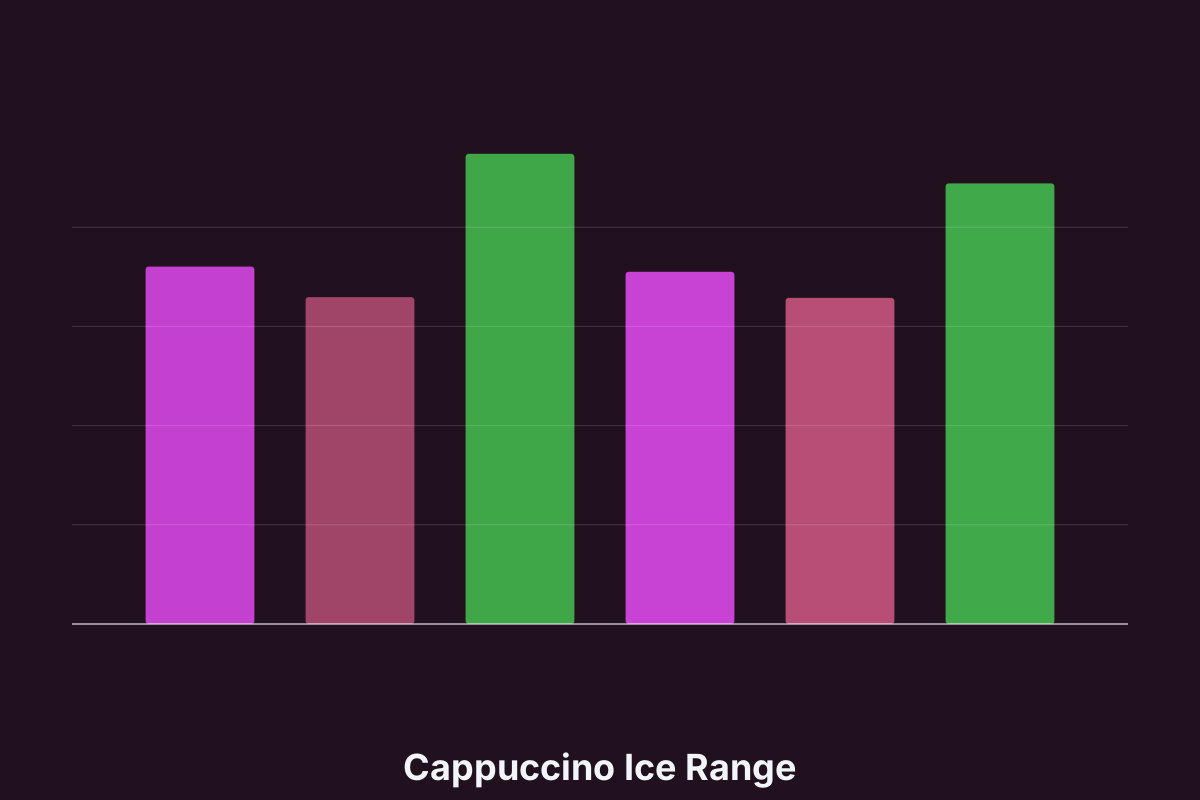
Indicative reference points for planning purposes: entry tier from USD 1.32 per unit at 500 units, mid tier at USD 0.81, and volume tier at USD 1.13 for full container quantities. These figures move with specification, packaging and freight, so treat them as a shape rather than a quote.
Freight, Customs and Timing
Model cappuccino ice freight both ways before choosing a method: cost per unit and cost per week of delay. The second figure is the one that decides whether a cheap option was actually cheap.
Split cappuccino ice shipments across two sailings when the order is large enough. It costs slightly more but removes the risk of a single event wiping out a full quarter of stock.
Reading a Cappuccino Ice Spec Sheet
When we write a cappuccino ice specification with a distributor, we fix four things first: the resistance band, the liquid capacity tolerance, the puff count methodology and the packaging master carton. Everything else can flex without changing the customer experience.
Two specifications that matter more than buyers expect: the seal integrity after a drop test and the consistency of the draw from first use to last. Both are measurable before you commit to volume.
| Product category | Disposable |
|---|---|
| Resistance band | 0.6 - 0.8 ohm |
| Capacity tolerance | +/- 5% |
| Puff count method | Machine cycle 3s on / 27s off |
| Master carton | 400 units |
| Carton weight | 5.2 kg |
| Shelf life | 12 months |
| Storage | 15-25 C, dry, away from direct light |
Trends Worth Watching
Traceability is moving from a nice-to-have to a requirement in several cappuccino ice markets. Building the habit now is cheaper than retrofitting record keeping under pressure later.
The most durable cappuccino ice lines over the last few years have been unglamorous and consistent. Novelty sells once; reliability sells every month.
Practical Checklist
- Agree the tolerance band in writing before approving artwork.
- Keep sealed retained samples from every production batch.
- Write the complaint threshold into the order terms.
- Ask how the factory measures puff count, then compare like with like.
- Check carton dimensions against your freight quote before confirming.
- Start with a mixed carton and let your own sell-through decide.
Frequently Asked Questions
Can I visit the production facility?
Yes, and we encourage it for larger programmes. Visits are most useful when you already have a draft specification, because you can then check the specific processes behind the numbers you care about.
Do you hold stock for regular customers?
For established programmes we can reserve production slots and, in some cases, hold finished cappuccino ice stock against a forecast. It removes most of the lead time risk from a reorder and is worth discussing once volumes are stable.
Can you match an existing product I already sell?
Often yes, provided we can measure it properly. Send a physical sample and we will report back on what can be matched, what will differ slightly, and why. An honest gap is more useful than a vague promise.
How should cappuccino ice be stored?
Cool, dry and out of direct sunlight. Heat and light are the two things that shorten shelf life fastest. Rotate stock by batch code rather than by arrival date, and keep cartons off concrete floors in humid warehouses.
Next Step
Start smaller than feels comfortable, measure honestly, then scale what worked. That sequence has saved more of our customers money than any negotiation tactic we could suggest.
Related Reading
- Cappuccino Ice Benchmarking Two Factories Side by Side — the Buying Desk
- Common Cappuccino Ice Mistakes New Distributors Make — Plain Language
- Cappuccino Ice Damage Claims and How to Avoid Them — Wholesale Clubs
- Cappuccino Ice Cross Selling With Adjacent Categories — Premium Shelf Programmes
- Cappuccino Ice Product Photography for Listings — Freight Included
- Cappuccino Ice Colour Matching Across Production Runs — Retail Chains